How to Compare Grocery Staples Without Getting Distracted by the Package
A calmer grocery decision starts with unit price, household preferences, and a realistic plan for finishing the package.

An original editorial scene created for Godi's A Geek. Products shown are unbranded and illustrative.
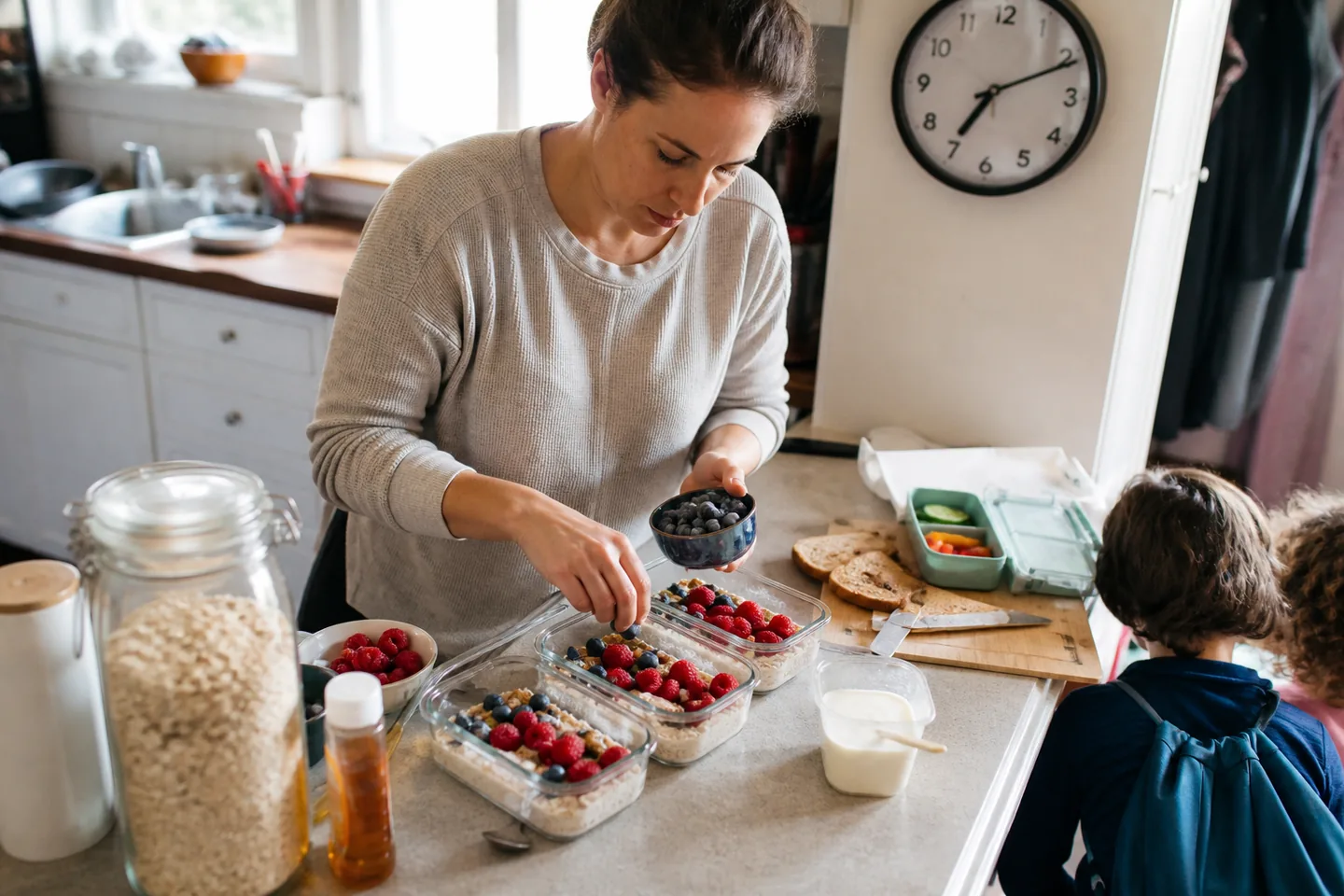
The cereal aisle is full of bright boxes, family sizes, limited editions, and sale tags. The cheapest box is not a bargain if nobody eats it after Tuesday.
The real-life problem this purchase should solve
Compare the amount you will use, the unit price shown by the store, storage space at home, and ingredients that matter to your household. Treat package claims as prompts to read the label, not as the decision itself.
Before opening a retailer tab, write down the exact place, person, and repeated task this purchase is meant to serve. That small step prevents a premium feature from becoming a substitute for fit.
What is worth paying for
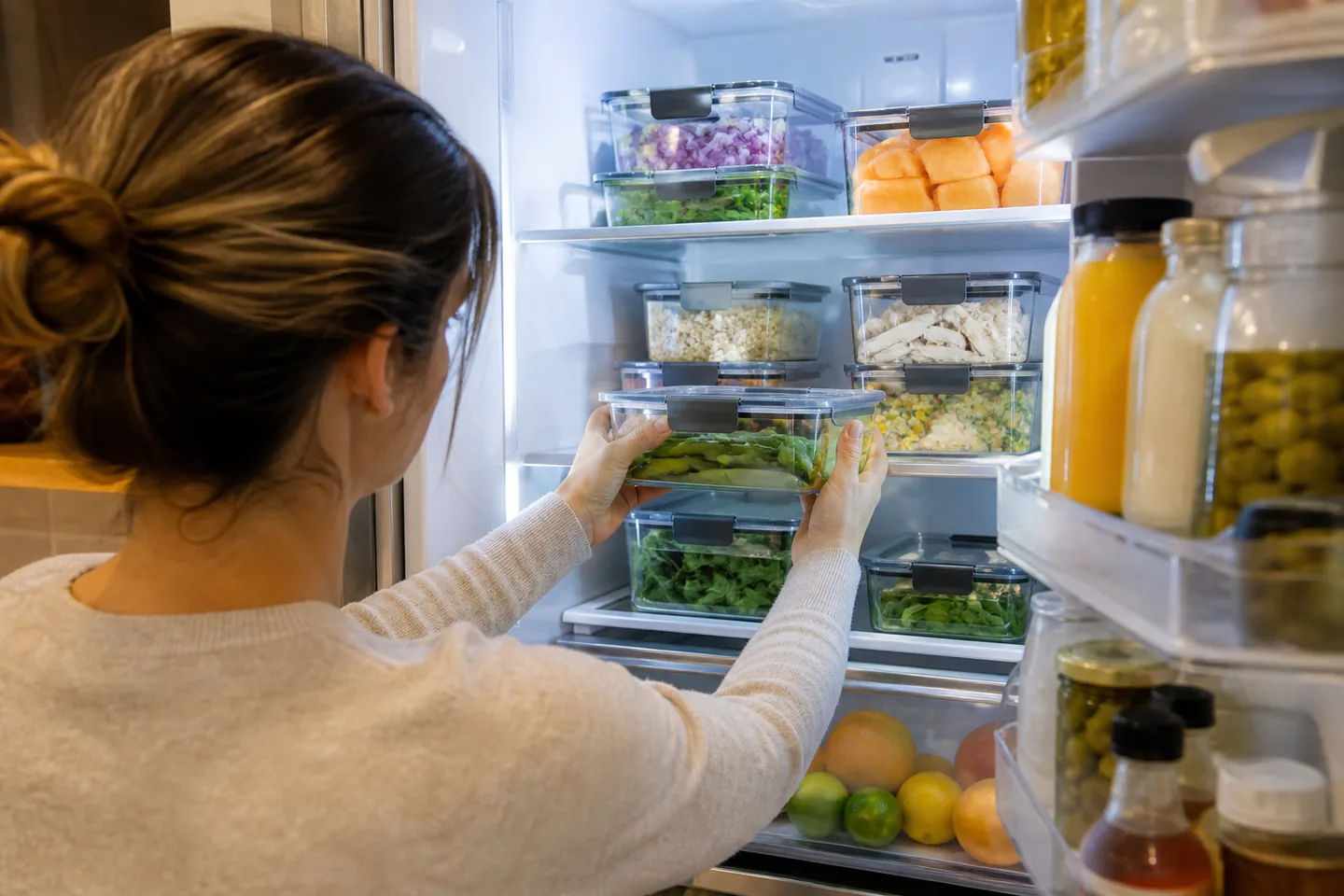
Resealable packaging, a size your family finishes while fresh, and simple ingredients that match the way you cook. Paying slightly more for a staple everyone uses can reduce more waste than chasing the lowest sticker price.
- Unit price that is easy to compare
- Package size matched to normal consumption
- Storage method that protects freshness
- Return or substitution policy for delivery orders
Budget-conscious households trying to lower waste without making meals feel restrictive.
The tradeoff: Bulk sizes can lower unit cost but tie up cash and space while increasing the risk of stale food.
What to skip
Skip bulk packages without a storage plan, subscriptions for foods your family has not tried, and buying several flavors simply because a multi-pack looks efficient.
Prices, bundles, availability, and model details change. Compare current published information and the latest manual before buying. When a product affects child safety, food handling, health, flooring, or electrical use, follow the manufacturer and relevant professional or public authority first.
A five-minute buying checklist
- Check the unit price
- Estimate how many meals the package covers
- Confirm pantry or freezer room
- Buy one before committing to a case
- Save the receipt and the latest instructions in one place.
Our bottom line
A calmer grocery decision starts with unit price, household preferences, and a realistic plan for finishing the package. The strongest choice is usually the product that removes friction from a repeated task, fits the space you already have, and remains straightforward to maintain after the excitement of buying it has passed.
Frequently asked question
Do I need the most expensive version?
Usually not. Pay for the feature that solves your actual constraint—fit, cleanup, replaceable parts, durability, or safer operation—and be cautious about bundles built around accessories you have no clear plan to use.