Choosing a Baby Carrier You Can Adjust Without a Tutorial Every Time
A carrier should fit the baby, the wearer, and the specific errands where free hands matter.

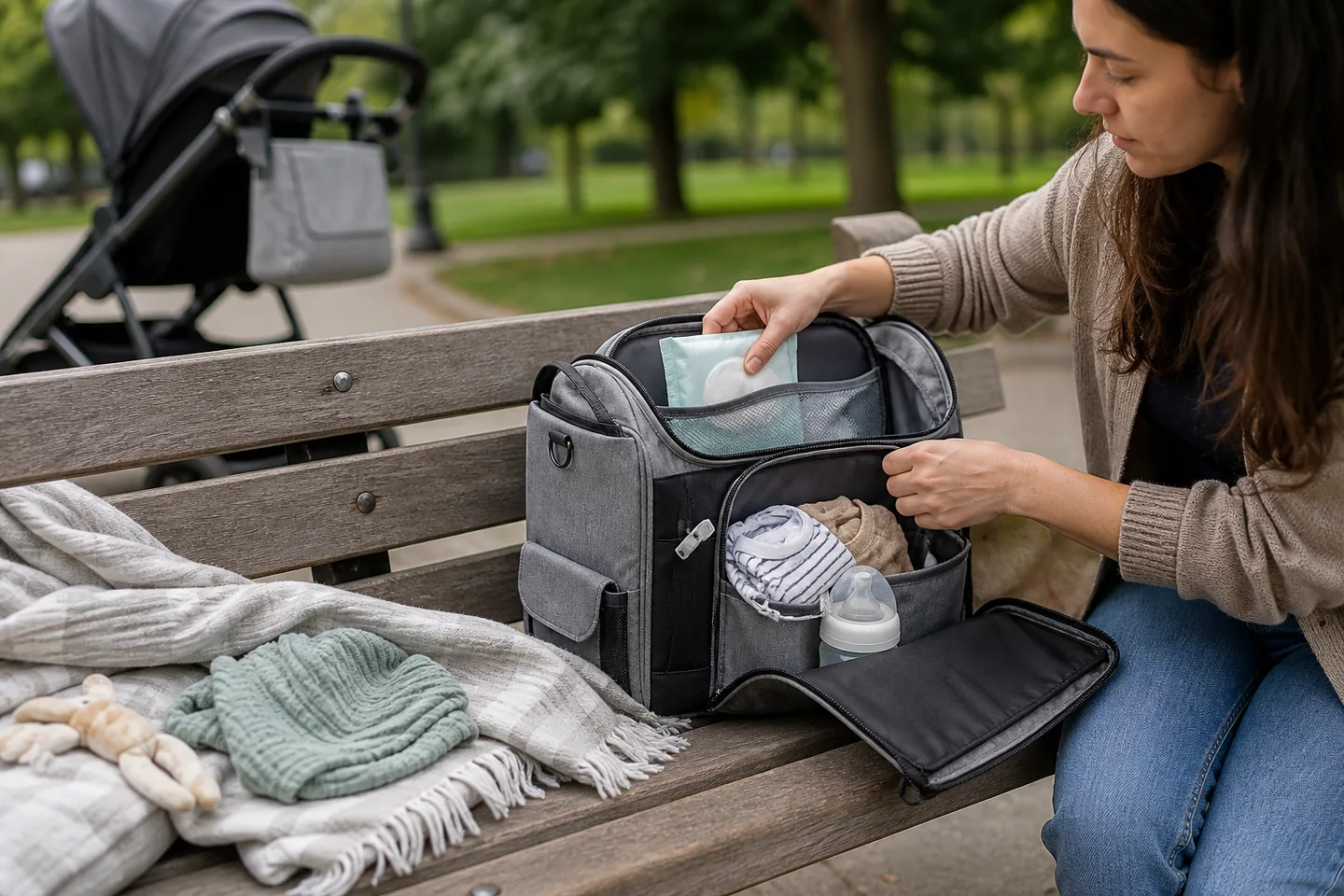
An original editorial scene created for Godi's A Geek. Products shown are unbranded and illustrative.
The baby wants contact, laundry still needs folding, and a short walk may reset the afternoon. A supportive carrier can help only when the fit is comfortable enough to use consistently.
The real-life problem this purchase should solve
Review the carrier's stated age, weight, and positioning guidance. Try it with each regular caregiver if possible, wearing the clothes and layers you actually use.
Before opening a retailer tab, write down the exact place, person, and repeated task this purchase is meant to serve. That small step prevents a premium feature from becoming a substitute for fit.
What is worth paying for
Clear adjustment points, supportive waistband or shoulder design suited to the wearer, breathable fabric, and an instruction guide that demonstrates safe positioning.
- Fit range for baby and regular wearers
- Easy-to-identify buckles and adjustment paths
- Washable fabric and realistic drying time
- Instructions for safe airway and hip positioning
Caregivers who want hands-free closeness for walks and light household tasks.
The tradeoff: Structured carriers distribute weight but are bulkier in a diaper bag than wraps or slings.
What to skip
Avoid using a carrier outside stated limits, covering the baby's face, or buying a complex system nobody in the household feels confident adjusting.
Prices, bundles, availability, and model details change. Compare current published information and the latest manual before buying. When a product affects child safety, food handling, health, flooring, or electrical use, follow the manufacturer and relevant professional or public authority first.
A five-minute buying checklist
- Check current size limits
- Try a full adjustment
- Confirm baby's face remains visible
- Review wash and dry instructions
- Save the receipt and the latest instructions in one place.
Our bottom line
A carrier should fit the baby, the wearer, and the specific errands where free hands matter. The strongest choice is usually the product that removes friction from a repeated task, fits the space you already have, and remains straightforward to maintain after the excitement of buying it has passed.
Frequently asked question
Do I need the most expensive version?
Usually not. Pay for the feature that solves your actual constraint—fit, cleanup, replaceable parts, durability, or safer operation—and be cautious about bundles built around accessories you have no clear plan to use.